Sudeten Straße 25, D-73230 Kirchheim
+ 31 (0)35 5235325
info@boxpert.com
Search
Shopping cart

    Sample maker / digital cutter

    The earliest plotters on the market were designed to draw maps for military use, essentially functioning as large drawing tables. Companies like Wild/Leica, Kongsberg, and others were the pioneers. In the late 1970s, these machines were upgraded with cutting units, including sealed-off lasers with around 20 watts of power. Later, oscillating knife technology was introduced, which has since become the standard. Today, modern plotters can operate at speeds exceeding 100 meters per minute, feature automated loading and collection systems, and cut a wide variety of materials, including thicker honeycomb structures and foams.

    #/page
     
    Print
    30 Results
    • Condition
    • In production
    • Availability
    • Brand name
    First page Previous page
    2
    Next pageLast page
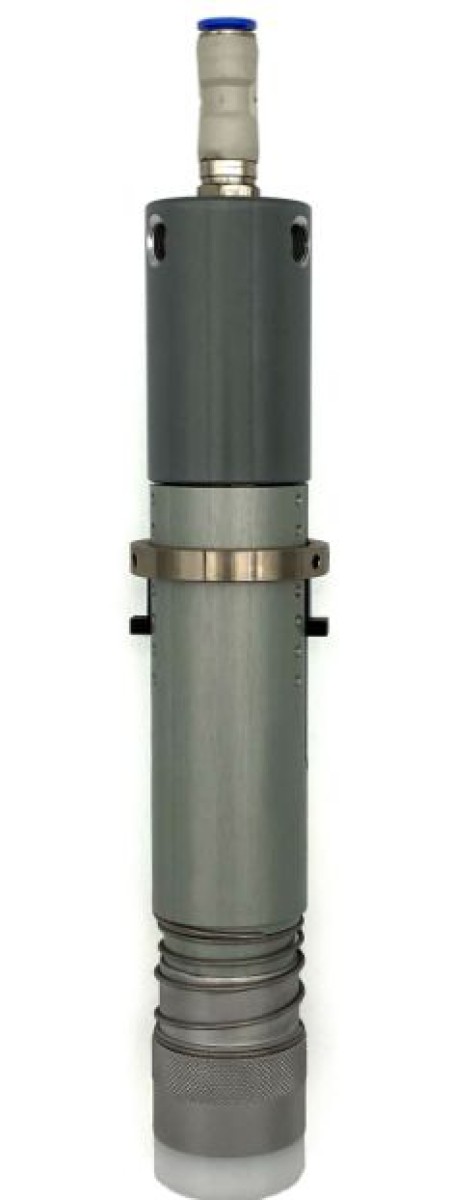
    NEW Oscillating Module POT-40
    NEW Oscillating Module POT-40
    Condition
    Condition(5) Very good condition, almost newNEW
    4.380,00
    ZUND M-1200
    ZUND M-1200
    Condition
    Condition(5) Very good condition, almost new
    0,00
    Sold
    Zund Plotter PN M800
    Zund Plotter PN M800
    Condition
    Condition(4) Running condition, good
    First page Previous page
    2
    Next pageLast page

    Sample-makers in the packaging industry

    In mid of the 80´s so called CAD/CAM systems became to be popular, first driven by HP (under Unix) and later by PC´s 252 the packaging software “laserline!, Diecad3 and others create the data to drive the sample makers, able to cut (with a tangential knife first) and crease. The oscillating knife for cutting box-samples of corrugated board followed the low-power lasers, which had not the success at that time, as they have it today. Probably around 25000 sample makers were sold in the folding carton and corrugated industry during the past 30+ years.

    Flat-bed plotters for die-making

    Those machines where used also for the diemakers willing to improve, but with not sufficient capital to afford a laser-cutting machine. The die-makers used the plotter to draw on plywood the contour which they later jigged by a manual jig-saw. Packaging companies used also the plotter to draw the “astralon” on a polyester film in order to prove and check the dimension of the lay-out and the tolerances of the cutting die. Flatbed-plotters were much more accurate than drum-plotters in those days.

    Digital cutting tables
    Beginning of the new century the plotters transform the name to digital cutting tables and increased considerable the speed and acceleration. Companies like Kongsberg, Lasercomb and Zund add a feeder on their machines to assure a more-or-less automatic process to produce mock-ups and orders of up to 500-2000 boxes.
    Today, digital cutting tables are represented in all industries.